Table of Contents (10 sections)
Understanding Scientific Skills
Enhancing scientific skills involves improving one’s ability to conduct research, analyze data, and contribute to knowledge in a specific field. Scientific skills not only pertain to laboratory work but also encompass analytical reasoning, problem-solving, and effective communication. Developing these skills is crucial for aspiring scientists and professionals who wish to thrive in research and innovation. According to the National Science Foundation (2026), scientific literacy and practical skills are integral to addressing complex challenges such as climate change, healthcare advancements, and technological innovations. Thus, implementing targeted strategies to cultivate these abilities can significantly impact one's effectiveness and contribution in the scientific community.
Hands-On Experience: The Best Teacher
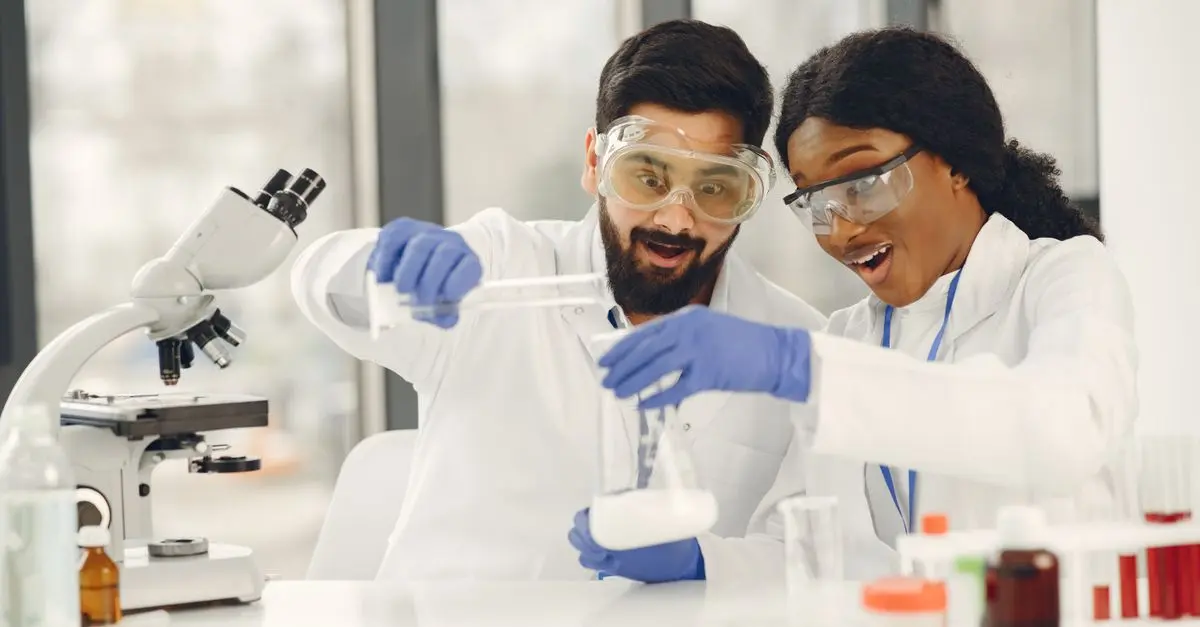
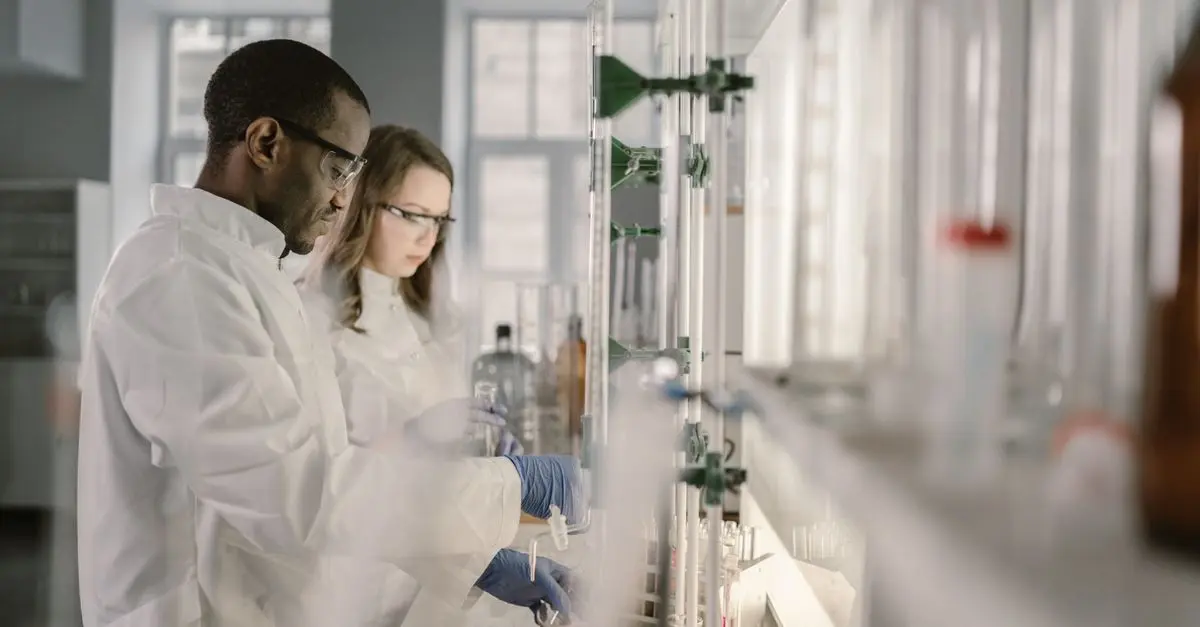
One of the most effective ways to enhance scientific skills is through hands-on experience in a laboratory or field environment. Engaging directly with scientific experiments allows for the application of theoretical knowledge, fosters a deeper understanding of concepts, and helps develop practical competencies. For instance, participating in internships or research projects provides exposure to real-world problems and advanced techniques. A 2025 study by STEM Education Journal noted that students who participated in practical lab sessions demonstrated a 30% improvement in their problem-solving skills compared to those who relied solely on theoretical learning. Moreover, engaging in community science projects or outreach programs can provide practical experience and enhance your collaborative abilities.


Angara.com Angara 2 MM Enhanced Blue and White Diamond Five Stone Grooved Wedding Ring in 18K White Gold
angara.com

Ring Spotlight Cam Pro (2nd Gen), Retinal 4K, 10x Enhanced Zoom - Black
lenovo.com
Continuous Learning: Stay Ahead
In the rapidly evolving realm of science, continuous learning is paramount. This entails not only keeping abreast of the latest research and developments but also pursuing further education through workshops, courses, or conferences. For example, the rise of online platforms such as Coursera and edX has made it easier for individuals to access courses from top universities on diverse scientific topics. Participating in continuing education can help practitioners stay informed about cutting-edge technologies and methodologies. Moreover, according to research published in the Journal of Scientific Research (2026), professionals who engage in lifelong learning are 25% more likely to develop innovative solutions in their fields. Maintaining a habit of reading scientific journals and attending webinars can complement formal education effectively.
Networking and Collaboration
Building a strong professional network is a crucial strategic move to enhance your scientific skill set. Collaboration with other scientists can lead to shared knowledge, different perspectives, and enhanced creativity in problem-solving. Attend seminars and conferences not only to present your own work but also to engage with peers, share ideas, and explore potential collaborative projects. Networking platforms such as LinkedIn and ResearchGate are excellent resources for connecting with other professionals in your field. A study published in Scientific American (2025) found that scientists who actively networked were 40% more likely to receive grants and collaborate on influential research projects. Therefore, investing time into establishing and maintaining professional relationships can yield significant benefits for your career.
Develop Critical Thinking
Critical thinking is essential for any scientist looking to enhance their skills. It involves the objective analysis of facts to form a judgment, and it is vital in both experimental design and data interpretation. Developing critical thinking can be achieved through engaging in discussions, debating scientific concepts, or working on case studies. Harvard Business Review highlighted that professionals who actively practice critical thinking are better at making data-driven decisions and are more innovative. Structured programs, such as workshops focused on problem-solving or analytical thinking, can provide practice in these areas. Moreover, practicing mindfulness can also enhance focus and clarity in thinking, which is beneficial for scientific inquiry.
Checklist for Enhancing Scientific Skills
- [ ] Participate in hands-on laboratory experiences.
- [ ] Enroll in continuing education courses regularly.
- [ ] Attend networking events and conferences.
- [ ] Engage in collaborative research projects.
- [ ] Practice critical thinking exercises.

Adam and Eve Adam & Eve The All Nighters 5 Piece Silicone Enhancer Set
adamandeve.com


Glossary
| Term | Definition |
|---|---|
| Scientific Literacy | The ability to understand and use scientific concepts and processes. |
| Critical Thinking | The objective analysis and evaluation of an issue to form a judgment. |
| Networking | Interacting with others to exchange information and develop professional or social contacts. |
Quick Quiz
> 🧠 Quick Quiz: How can you enhance your scientific skills effectively?
> - A) By only reading textbooks
> - B) By engaging in hands-on experience and networking
> - C) By waiting for formal education only
> Answer: B — Engaging in hands-on experience and networking are essential for scientific skill enhancement.
Recommended Products
- - - ---
📺 Pour aller plus loin : enhancing scientific skills techniques sur YouTube
Recommended products
Selected by our experts

Clé de Peau Beauté The Luminizing Face Enhancer, Shooting Stars (10 g)
cledepeaubeaute.com

Clé de Peau Beauté The Luminizing Face Enhancer, Daybreak Shimmer (10 g)
cledepeaubeaute.com