Table of Contents (10 sections)
- Understanding the Transition
- Building Relevant Experience
- Developing a Professional Network
- Enhancing Your Skills
- Seeking Mentorship
Understanding the Transition
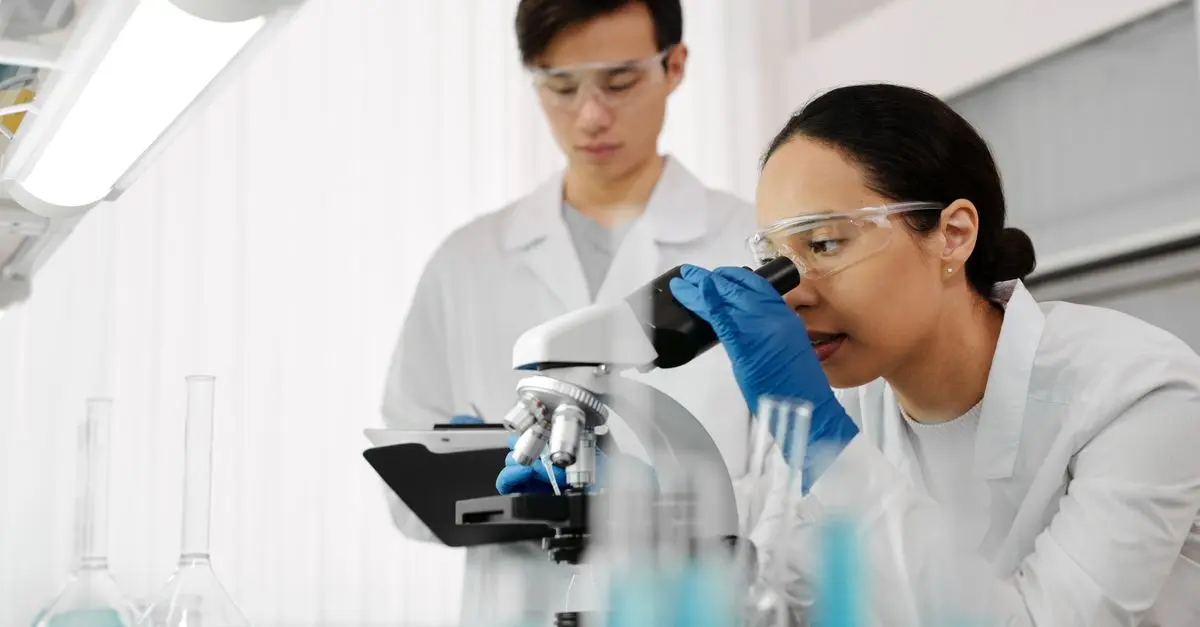
Transitioning from being a student to a scientist is a pivotal moment in one’s career. This process involves a significant shift in mindset, responsibilities, and the way you engage with scientific work. As a student, the focus is typically on learning and absorbing information, while a scientist must apply this knowledge to solve real-world problems, conduct research, and contribute to the scientific community. Understanding this difference is crucial for your development.
According to a study by UFC-Que Choisir, students often feel unprepared for the challenges of being a scientist, pointing out gaps in practical skills taught in academia. This awareness can guide you in seeking resources and experiences that bridge the gap between academic knowledge and applied science.
👩🔬 Key Insight: Start by identifying the specific field of science you wish to pursue, which might involve exploring various disciplines. Remember that many scientists initially gravitate toward topics that genuinely interest them, a passion that drives their research.
Building Relevant Experience
The second step in this transition is gaining practical, hands-on experience. Engaging in internships, volunteering in labs, or participating in research projects can significantly enhance your resume and skill set. Practical experience not only complements your academic knowledge but also boosts your confidence in handling real-world scientific inquiries.
For instance, if you’re interested in environmental sciences, consider interning with a conservation organization or participating in community science projects. Research shows that those with internship experiences are 60% more likely to land relevant job roles in their field. Additionally, consider engaging in summer research programs offered by universities, often providing stipends and robust mentorship.
Checklist for Gaining Experience:
- [ ] Apply for internships related to your field.
- [ ] Volunteer in scientific research projects.
- [ ] Participate in local science fairs or symposia.

Developing a Professional Network
In the scientific world, relationships and networks significantly influence career progression. Building a professional network often begins during your academic years but must be actively developed as you transition to a full-time scientist. Attend workshops, conferences, and seminars related to your field of interest. Engaging with other professionals can open doors to collaborative projects, job leads, and mentorship opportunities.
A survey conducted by Les Numériques highlights that nearly 70% of jobs in the science sector are filled through networking. When networking:
- Prepare a concise elevator pitch outlining your interests and career goals.
- Follow up with new contacts via LinkedIn or email, and keep them updated on your progress.
🔗 Pro Tip: Join professional organizations related to your scientific interests; many offer student memberships at reduced rates and provide excellent networking opportunities.
Enhancing Your Skills
As you move toward becoming a scientist, you should focus on both technical and soft skills enhancement. Technical skills may include data analysis, lab techniques, or software relevant to your field, while soft skills such as communication, teamwork, and problem-solving are equally critical. Engaging in workshops, seminars, and online courses can help you fortify these capabilities. According to 60 Millions de Consommateurs, having strong communication skills is vital for presenting research and collaborating with diverse teams.
Use platforms like Coursera or edX to find courses that can help you improve both sets of skills. Consider also joining study groups or workshops where you can practice and refine your communication abilities.
Seeking Mentorship
The final step in transitioning to a scientific career is seeking mentorship. A mentor can provide invaluable guidance, support, and an insider’s perspective on navigating your career path. They can help you understand industry expectations and provide insight into potential research opportunities. It's beneficial to connect with faculty members during your studies or professionals you meet through internships or networking events.
An article from UFC-Que Choisir points out that professionals with mentors are more likely to have a higher job satisfaction rate and can navigate their career paths more effectively. Don’t hesitate to reach out; many researchers are eager to invest in the next generation of scientists.
🔍 Mentor Checklist:
- [ ] Identify potential mentors in your field.
- [ ] Approach them respectfully, outlining your goals and what you hope to learn.
- [ ] Be open to feedback and guidance, and show appreciation for their time.
Checklist before Transitioning
- [ ] Understand the differences between student and scientist roles.
- [ ] Gain relevant hands-on experience.
- [ ] Develop and maintain a professional network.
- [ ] Enhance both technical and soft skills.
- [ ] Seek out mentors for guidance.
Glossary
| Term | Definition |
|---|---|
| Scientist | A professional involved in the systematic study of the physical or natural world through observation and experiment. |
| Mentorship | A relationship in which a more experienced or more knowledgeable person helps to guide a less experienced or less knowledgeable person. |
| Networking | The action or process of interacting with others to exchange information and develop professional or social contacts. |
📺 Resource Video
> 📺 For further learning: Check out videos on transitioning to a scientific career for valuable insights and personal experiences. Search on YouTube: transitions from student to scientist 2026.
🧠 Quick Quiz: What is the most critical skill for a scientist?
- A) Technical knowledge
- B) Communication skills
- C) Networking abilities
Answer: B — Effective communication helps convey research findings clearly and collaborate with peers.
Discover our product recommendations below to assist you in this journey!
📺 Pour aller plus loin : transitions from student to scientist 2026 sur YouTube
Recommended products
Selected by our experts
The Menopause Journey: Embracing the Transition With Confidence
Alison US CA
This resource is great for understanding the psychological and emotional aspects of transitions, which can be invaluable as you move from student to scientist.