
Table of Contents (10 sections)
Becoming a scientist is a journey filled with excitement, discovery, and impactful contributions to society. In this guide, we will break down the key steps and considerations to help you navigate this path successfully.
1. Understand What Being a Scientist Means
Before diving into the specifics of how to become a scientist, it’s crucial to understand the core of what a scientist does. Scientists explore, experiment, and discover various aspects of our world and universe. They work in different fields, including biology, physics, chemistry, and environmental science, each requiring distinct methodologies and areas of expertise.
Being a scientist involves rigorous research, critical thinking, and the application of scientific methods to solve problems. According to a report by the Bureau of Labor Statistics, scientists can work in academia, private sector, or government research settings. The diversity of paths allows for a tailored approach based on your interests. Hence, you should reflect on which field excites you most.
2. Pursue Relevant Education
Education is a foundational step in becoming a scientist. Most scientific careers require at least a bachelor’s degree in a related field. Common disciplines include:
- Biological Sciences
- Physics
- Chemistry
- Environmental Science
For those considering advanced research roles or university positions, a master's or PhD is typically necessary. According to U.S. News & World Report, over 40% of scientists hold a doctoral degree.
Tips for Success:
- Engage in internships or summer research programs during your studies. This not only enhances your resume but provides practical experience.
- Network with professors and industry professionals who can provide guidance and resources.
3. Gain Research Experience
Hands-on research experience is vital for aspiring scientists. This could start in college with projects or lab assistant positions. Consider joining research groups or labs where you can actively participate in ongoing experiments. Many universities provide dedicated research opportunities that can be quite beneficial.
Here are some avenues to explore:
- Summer Research Programs: These may be available through universities, research institutions, or organizations.
- Internships: Look for internships in government labs, biotech firms, or environmental agencies.
Avoid Common Pitfalls:
- Don’t underestimate the value of volunteer work in research settings. Even unpaid roles can provide substantial experience and networking opportunities.
4. Stay Informed and Continuously Learn
The scientific field is constantly evolving, which necessitates ongoing education. As a prospective scientist, staying updated with the latest research, technologies, and methodologies is crucial. Engage with scientific literature, attend conferences, and participate in workshops.
- Join Professional Organizations: Affiliations with groups like the American Association for the Advancement of Science (AAAS) can provide access to resources, networking opportunities, and events tailored to your interests.
- Online Courses: Websites like Coursera and edX offer courses that cover the latest scientific advancements and help you refine your skillset.
5. Publish and Share Your Research
Publishing your research findings can significantly enhance your credibility and position in the scientific community. Consider the following methods to share your work:
- Journals: Aim for peer-reviewed journals appropriate for your research area, as publishing there is often necessary for credibility.
- Conferences: Presenting at conferences not only allows you to share your research but also connects you with leading experts in your field.
Recent statistics by the National Science Foundation indicate that published scientists often attract more funding and collaboration opportunities.
6. Build a Professional Network
Networking is essential in the scientific community. Building relationships can lead to collaborative projects, job opportunities, and mentorship. Attend scientific conferences, join local meetups, and engage with professionals on platforms like LinkedIn.
- Networking Events: Participate in events hosted by universities and research institutions.
- Mentorship: Finding a mentor in your field can provide personalized guidance and support as you navigate your career.
Checklist Before You Start Your Journey
- [ ] Choose your scientific field of interest
- [ ] Obtain relevant educational qualifications
- [ ] Gain hands-on research experience
- [ ] Stay informed through continued education
- [ ] Publish your findings in reputable journals
- [ ] Build your professional network
📺 Resource Video
📺 For further insights: How to Excel as a Scientist, an overview of essential skills and strategies in today’s scientific landscape. Search on YouTube:
becoming a scientist 2026.
Glossary
| Terme | Définition |
|---|---|
| Scientifique | Professionnel qui effectue des recherches et des expériences pour étudier des phénomènes naturels. |
| Recherche | Système méthodique d'observation et d'expérimentation pour acquérir de nouvelles connaissances. |
| Publications | Articles de recherche publiés dans des revues scientifiques reconnues. |
> 🧠 Quiz rapide : What is the first step to start your career as a scientist?
> - A) Gaining research experience
> - B) Choosing a field of interest
> - C) Joining professional organizations
> Réponse : B — Selecting a field is the foundational step that shapes your entire career path.
In conclusion, pursuing a career as a scientist offers a pathway to making significant contributions to knowledge and society. With a clear roadmap and dedication, you can achieve your goal. Ready to embark on this exciting journey? We’ve selected several products suited to aspiring scientists; check out our recommendations below!
📺 Pour aller plus loin : how to become a scientist 2026 sur YouTube
Recommended products
Selected by our experts
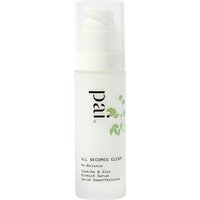
Sérum anti-imperfections All Becomes Clear - PAI
Blissim FR
This product helps maintain clear skin, which is beneficial for scientists who may work long hours in the lab and need to look their best.
Sponsored by Awin Bruno

Pai Skincare All Becomes Clear
thedetoxmarket.com
Perfect for sensitive skin, this serum provides care during demanding research sessions, ensuring you maintain your confidence.