
Table of Contents (12 sections)
Becoming a scientist is a dream for many, but realizing this ambition requires dedication, education, and strategic planning. In this comprehensive guide, we will outline the essential steps to help you effectively navigate your path to a successful scientific career. Whether you’re interested in biology, chemistry, physics, or any other scientific field, these steps apply universally, guiding you from your early education to professional positions in research or industry.
Step 1: Identify Your Area of Interest
One of the first critical steps to becoming a scientist is identifying your specific area of interest. Science is a broad field encompassing various disciplines, including biology, chemistry, geology, and physics. Consider the subjects that excite you the most. Are you fascinated by the complexities of the human body and the mechanisms of disease? You might want to explore a path in biomedical sciences. If you are drawn to solving mechanical problems, engineering or physics might be right for you.
Exploring different scientific fields through high school electives, online courses, or science fairs can be immensely helpful. Engaging with professionals in different fields via informational interviews can also provide clarity. According to a survey by the National Science Foundation, individuals who clearly defined their interests early were more likely to seek out mentorship and internship opportunities related to those interests. This not only enhances your educational experience but also builds a network of connections that could be invaluable in your future career.
Step 2: Pursue Relevant Education
Once you've established your area of interest, pursuing relevant education is crucial. Typically, aspiring scientists will need at least a bachelor’s degree in their chosen field of study. It is essential to choose a university or college known for its strengths in the relevant disciplines, as well as offering robust undergraduate research opportunities. According to the American Association for the Advancement of Science, students who participate in undergraduate research are more likely to pursue higher degrees and pursue careers in science.
During your degree program, engage in internships and assistantships that allow you to apply theoretical knowledge in practical settings. These experiences are vital for hands-on learning, helping you develop essential skills and make informed decisions about your specific interests within your field. Additionally, maintaining a strong academic record and developing relationships with faculty can help you secure strong recommendations for graduate school or job placements following graduation.

Step 3: Consider Graduate Education
For many scientific fields, a bachelor’s degree alone may not suffice for advancing to significant research positions. Graduate education—whether a Master's or Ph.D.—is often essential for positions in research and teaching at the university level. Pursuing a graduate degree allows for deeper specialization and the opportunity to engage in original research.
When deciding whether to pursue further education, consider your long-term career goals. Statistics show that candidates with advanced degrees typically have access to higher-level positions that often pay better compared to their counterparts with undergraduate degrees only. A graduate degree also enhances your expertise, making you a more competitive candidate in the job market. Ensure you select a program whose faculty's research aligns with your interests; this can pave the way for valuable mentorship and collaboration.
Step 4: Gain Practical Experience
Combining your education with practical, hands-on experience can significantly enhance your capabilities as a scientist. This may include internships during your undergraduate or graduate studies, laboratory assistant roles, or even summer research programs. Participating in conferences and workshops can also expose you to the latest scientific developments, and networking opportunities with industry professionals can lead to internships or job offers.
Keep in mind that many scientific roles require proficiency with specific techniques, instruments, or software, which you can only master through practical experience. For example, if you're studying molecular biology, familiarity with PCR (Polymerase Chain Reaction) techniques or gel electrophoresis will be crucial. Thus, make a point to seek out opportunities that provide exposure to the tools and methodologies used in your field.
Step 5: Build a Professional Network
A strong professional network can significantly impact your career trajectory in science. Engaging with peers, attending conferences, and joining professional organizations can facilitate valuable connections. Networking provides opportunities not only for collaboration and mentorship but can also increase your visibility within the scientific community.
Participating in events or volunteering for community science-related initiatives can open doors to potential collaborators or employers. According to a study from the Journal of Science Communication**, scientists often find that their professional network significantly influences their career advancement and job satisfaction. Maintain relationships with your colleagues, educators, and industry professionals; they can provide referrals or insights into job openings, research opportunities, and emerging trends in the field.
Step 6: Stay Updated and Embrace Lifelong Learning
The scientific landscape is continually evolving, and staying informed about the latest developments is essential for your success. Subscribe to reputable scientific journals, attend webinars, and participate in ongoing education opportunities to keep yourself informed of advancements in your field.
Moreover, don't shy away from diversifying your skill set. Learning complementary skills, such as data analysis or programming, can make you more versatile and open up additional career opportunities within interdisciplinary teams. Some research shows that professionals who actively seek ongoing education and training tend to have higher job satisfaction and career stability.
Checklist before Buying Products for Scientists
- [ ] Determine your area of interest
- [ ] Research potential colleges and universities
- [ ] Seek internships or practical experiences
- [ ] Connect with professionals in your field
- [ ] Stay updated on the latest scientific advancements
Glossary
| Term | Definition |
|---|
| PhD | A Doctor of Philosophy degree, the highest level of academic degree.
| Internship | A temporary position that provides experience in a specific field. |
| Networking | The act of connecting with others to share resources and information. |
📺 Resource Video
> 📺 To go further: Watch Essential Skills for Aspiring Scientists, a comprehensive analysis of what it takes to thrive in the scientific field. Search on YouTube: essential skills for scientists 2026.
Quick Quiz
> 🧠 Quick Quiz: What is one critical step in becoming a scientist?
> - A) Choose any major
> - B) Identify your area of interest
> - C) Ignore networking opportunities
> Answer: B — Identifying your area of interest is crucial for targeted education and career development.
Conclusion
Following these essential steps will put you on the right path to becoming a successful scientist. The journey requires dedication, curiosity, and a commitment to ongoing learning. Embracing challenges and seeking opportunities for growth will ultimately lead to a fulfilling career in the sciences. Don’t forget to explore our recommended products below to support your scientific endeavors.
📺 Pour aller plus loin : Top 10 Technical Skills That Will Matter Most in 2026 sur YouTube
Recommended products
Selected by our experts
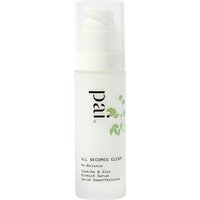
Sérum anti-imperfections All Becomes Clear - PAI
Blissim FR
Skincare is critical for all scientists, especially those working long hours in labs, where skin can become stressed. This product helps maintain a healthy complexion.
Pai Skincare All Becomes Clear
thedetoxmarket.com
This serum is ideal for scientists facing challenges with skin clarity during intensive study or research periods.