Table of Contents (14 sections)
Transitioning from student to scientist can be both exciting and daunting. A career in science not only opens doors to innovative research but also contributes significantly to society. This article will guide you through the essential steps needed to make this transition successfully.
1. Understanding the Role of a Scientist
Before making any transition, it’s vital to understand what being a scientist entails. Scientists engage in research, experimentation, and analysis to advance knowledge in various fields like biology, chemistry, physics, and environmental science. They often collaborate with other researchers and may publish their findings in scientific journals. According to the American Association for the Advancement of Science (AAAS), the demand for scientists is consistently high, especially in emerging fields like biotechnology and data science. This highlights the importance of aligning your educational background and interests to ensure a successful transition.
2. Building a Strong Educational Foundation
Your educational background is a crucial aspect of your transition to scientist. Start by acquiring relevant degrees such as a Bachelor’s in Science, followed by a Master's or Ph.D. in your chosen field. Participate in research projects, internships, or assistantships to gain hands-on experience. For instance, National Science Foundation (NSF) reports that students who engage in research during their undergraduate years tend to perform better in graduate school. This can also give you a significant edge in your job applications later on.
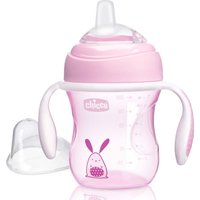
Coupe Transition Chicco Fille 4m+ Coupe Transition
DocMorris FR (ex DoctiPharma FR)
3. Developing Key Skills and Competencies
To be competitive in the scientific job market, developing specific skills is essential. These include analytical skills, attention to detail, problem-solving capabilities, and proficiency in using scientific tools and software. According to a report by LinkedIn, problem-solving skills are among the most sought-after qualifications in the STEM field. Additionally, consider attending workshops or online courses to enhance your skills in data analysis, programming, and laboratory techniques. Moreover, networking with professionals can help you identify which skills are especially valuable in your niche.
4. Gaining Practical Experience through Internships
Internships are invaluable when transitioning to scientist. They provide practical experience, industry exposure, and networking opportunities. Seek internships in laboratories, research institutions, or companies aligned with your scientific interest. Surveys show that approximately 70% of internships lead to full-time job offers. This emphasizes the importance of hands-on experience in building your resume and gaining insights into the scientific community. Moreover, obtaining references from supervisors during internships can be crucial for future employment.
5. Networking and Professional Development
Building a network within the scientific community can significantly ease your transition. Attend conferences, join professional organizations, and participate in online forums related to your field. Engaging with experienced scientists via platforms like ResearchGate or LinkedIn can offer mentorship opportunities and guidance. Networking can lead to job openings that are not publicly advertised. According to the National Academy of Sciences, personal connections often influence hiring decisions in scientific careers.
6. Pursuing Further Education and Certifications
Depending on your field, pursuing further education or certifications can enhance your employability. This could involve enrolling in specialized training programs or getting certifications in laboratory safety, statistical analysis, or scientific writing. For instance, obtaining a certification from recognized bodies like the American Society for Quality can improve your profile significantly. Continuing education demonstrates a commitment to staying current in your field, which is essential in science as methodologies and technologies evolve rapidly.
7. Crafting a Compelling Resume and Cover Letter
When you're ready to apply for positions, it’s essential to present a well-structured resume and cover letter that highlights your education, skills, and experiences. Tailor these documents to the specific job you’re applying for, ensuring they reflect your scientific capabilities and achievements. Make sure to list your publications, research projects, and relevant experiences that align with the job description. Research from Harvard Business Review indicates that a tailored resume significantly increases the chances of being noticed by employers.
8. Preparing for Interviews
Interviews in the scientific field often include technical questions and practical assessments. Anticipate these by reviewing key concepts in your field. Mock interviews can help you practice articulating your research experience clearly and confidently. Be prepared to discuss how you would approach scientific problems, as employers are often keen to assess critical thinking and problem-solving skills. Remember to convey your passion for science and curiosity during the interview, as this often resonates well with hiring managers.
Conclusion
Transitioning from student to scientist is a journey that involves a mix of education, practical experience, networking, and continuous learning. Embrace every step of the process, and don’t hesitate to seek guidance from mentors along the way. By following these essential steps, you can set a solid foundation for a rewarding scientific career.
📺 For further insight: [Exploring Careers in Science], a detailed discussion on transitioning from student life to a career in science. Search on YouTube: "transition to scientist 2026".
Checklist before Transitioning to Scientist
- [ ] Understand the role and responsibilities of a scientist.
- [ ] Build a solid educational foundation in your field.
- [ ] Develop key scientific skills and competencies.
- [ ] Gain practical experience through internships.
- [ ] Expand your professional network.
- [ ] Consider further education or certifications.
- [ ] Craft a tailored resume and cover letter.
- [ ] Prepare for technical interviews with mock sessions.
Glossary
| Term | Definition |
|---|
| Scientist | A professional engaged in systematic activities to acquire knowledge that describes and predicts the natural world.
| Internship | A structured work experience program that provides practical experience in a professional setting.
| Networking | Building and maintaining professional relationships within your field for career development.
Recommended products
Selected by our experts
Coupe Transition Chicco Fille 4m+ Coupe Transition
DocMorris FR (ex DoctiPharma FR)
A structured product aimed at aiding younger scientists in early stages of their career path.
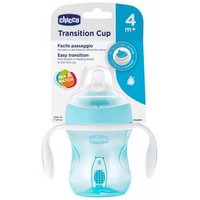
Chicco TAZZA TRANSITION AZZ 4M
DocMorris FR (ex DoctiPharma FR)
A useful tool for promoting hydration and focus during long research hours.
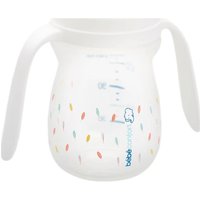
Bebe Confort Tasse Transition Mini 140ml 1ut
DocMorris FR (ex DoctiPharma FR)
An essential item for any budding scientist for daily research notes and observations.