Table of Contents (13 sections)
Science internships play a crucial role in shaping the future careers of aspiring scientists. They offer a wealth of experiences that go beyond classroom learning, allowing individuals to apply theoretical knowledge in real-world scenarios. This article delves into the multiple advantages of participating in science internships and how they can pave the way for a successful career in the scientific field.
1. Hands-On Experience
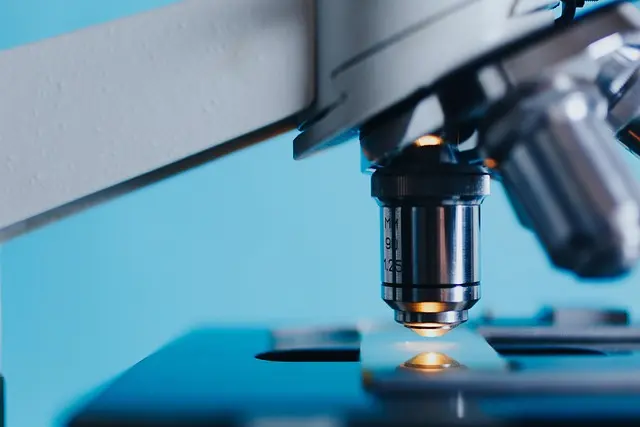
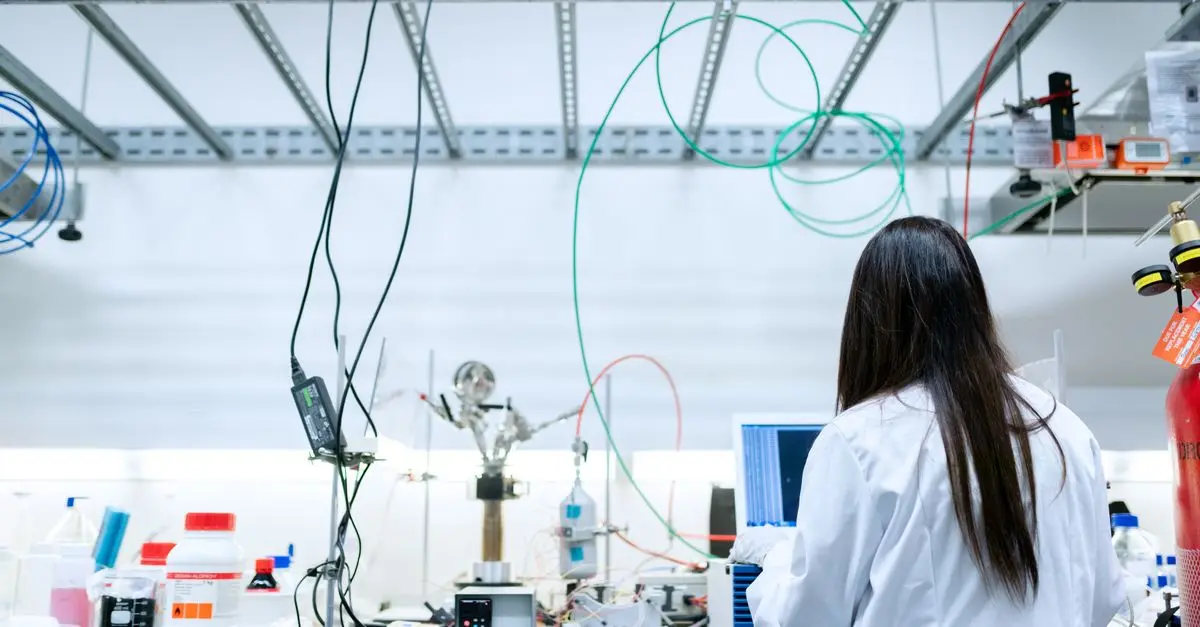
Participating in a science internship provides students and young professionals with invaluable hands-on experience. Unlike theoretical classes, where students learn through textbooks and lectures, internships enable them to actively participate in research projects, laboratory experiments, and data collection. For instance, a biology student might work on a genetic research project, helping to conduct experiments that can lead to significant medical breakthroughs. According to a survey conducted by the National Association of Colleges and Employers, over 70% of employers prefer candidates with internship experience, underscoring the importance of practical exposure in science-related fields.
2. Networking Opportunities
One of the significant advantages of internships is the networking opportunities they present. Interns have the chance to meet experts and professionals in their desired field, which can lead to mentorship, collaboration, and even job offers in the future. By building a network of contacts within the industry, interns can also gain insights into the latest trends and job openings. Engaging with professionals at conferences or through collaborative projects often leads to lasting relationships and can significantly enhance career prospects.

Best Choice Products 4-in-1 Science Project Kit, STEM & STEAM DIY Lab Experiments for Kids
bestchoiceproducts.com
Zoll Cardiac Science Powerheart G5 AED Automatic External Defibrillator
concordhealthsupply.com
3. Enhancing Resumes
Having an internship listed on a resume can set candidates apart from others in the competitive scientific job market. Employers are increasingly looking for individuals who have not only academic credentials but also practical experience. An internship demonstrates a candidate's commitment to their field and showcases their ability to apply their knowledge in a professional environment. A well-crafted resume that highlights relevant internships can improve chances during the hiring process.
4. Skill Development
Internships are not just about gaining experience; they are also opportunities for skill development. Through internships, aspiring scientists can acquire practical skills that are essential for their careers. This could include lab techniques, data analysis, research methodologies, or even soft skills such as communication, teamwork, and problem-solving. For instance, a chemistry intern may learn how to operate scientific instruments and analyze chemical data, skills that are crucial in both academic and professional environments.
5. Exposure to Different Career Paths
Internships allow individuals to explore various career paths within the scientific field. Many aspiring scientists may have a general idea of their interests, but internships can help refine these interests. A student might start with a focus on environmental science but discover a passion for biotechnology after working on a related project. This exposure can lead to informed career decisions and a clearer understanding of one’s professional aspirations.
6. Earning Academic Credit
Many academic institutions offer academic credit for internships, making them not only an educational experience but also a path to fulfilling graduation requirements. This dual benefit of gaining practical experience while also advancing academically can be a significant motivator for students. Programs that integrate internships into their curriculum often have partnerships with various organizations, helping students secure relevant positions.
7. Potential for Job Offers
Many companies use internships as a way to evaluate potential future employees. Based on performance during the internship, some organizations may extend job offers to their interns upon graduation. According to NACE, about 60% of interns are offered full-time positions, making internships a valuable stepping stone toward securing a permanent role in the industry.
8. Increased Confidence
Engaging in a science internship can significantly boost a young scientist’s confidence. Working on real projects, solving actual problems, and receiving feedback from experienced professionals can enhance self-esteem and foster a proactive career outlook. Interns often report feeling more prepared to enter the workforce and tackle future challenges after completing an internship.
📺 For Further Insight:
Explore this insightful video on the importance of internships in the scientific field. Search for “benefits of science internships” on YouTube to view relevant discussions and expert insights.
Checklist before applying for a science internship
- [ ] Research internship opportunities in your field.
- [ ] Update your resume to highlight relevant skills.
- [ ] Prepare for interviews by practicing common questions.
- [ ] Reach out to professionals for networking.
- [ ] Decide on the type of science internship that aligns with your career goals.
Glossary
| Terme | Définition |
|---|---|
| Internship | A temporary position that provides practical experience in a specific field. |
| Networking | Building professional relationships to share information and resources. |
| Mentorship | A guidance relationship where a more experienced individual assists a novice. |
Conclusion
In conclusion, participating in science internships is a vital experience for aspiring scientists. The benefits gained—from hands-on experience and networking opportunities to enhanced resumes and skill development—are invaluable. It's an investment in your future career that can lead to numerous possibilities. We encourage all science students to consider the diverse internship programs available to kickstart their careers.
🧠 Quick Quiz: What is one of the primary benefits of a science internship?
- A) It guarantees a job after graduation.
- B) It provides networking opportunities.
- C) It replaces all academic learning.
Answer: B — Networking opportunities are a key advantage that can lead to mentorships and job offers.
Explore our recommended products below to assist in your scientific journey!
📺 Pour aller plus loin : benefits of science internships sur YouTube
Recommended products
Selected by our experts
Best Choice Products 4-in-1 Science Project Kit, STEM & STEAM DIY Lab Experiments for Kids
bestchoiceproducts.com
This science project kit can ignite a passion for science, making it a fantastic resource for internship-related projects.
Zoll Cardiac Science Powerheart G5 AED Automatic External Defibrillator
concordhealthsupply.com
A reliable AED is crucial for ensuring safety during science experiments, especially in hands-on training environments.