Table of Contents (15 sections)
A career in science can be both rewarding and challenging. It requires not only a strong academic foundation but also essential skills and strategies that will enhance your ability to succeed. In this guide, we will discuss how to effectively prepare for a science career, focusing on practical steps, skills, and common challenges faced by aspiring scientists.
Step 1: Evaluate Your Interests and Strengths
Before diving into a specific path within the scientific community, it’s essential to assess your interests and strengths. Ask yourself what aspects of science excite you the most. Is it biology, chemistry, physics, or perhaps environmental science? According to a survey conducted by the National Science Foundation, over 80% of undergraduate students pursuing science degrees reported a passion for their chosen field.
Reflecting on your strengths can provide direction. Science careers often require analytical thinking, problem-solving skills, and creativity. Take the time to identify where your abilities lie and how they align with various scientific disciplines. Participate in workshops or take personality assessments that can guide you towards the right pathway.
By understanding your interests and strengths, you enable yourself to make informed choices about the educational and career opportunities that will best suit you.
Step 2: Pursue Relevant Education
Pursuing the right educational qualifications is a cornerstone in preparing for a science career. Most science careers require a bachelor's degree at minimum, while many advanced roles necessitate a master’s degree or a PhD. Focus on obtaining a degree in your area of interest, and consider taking additional courses that provide practical experience.
For instance, if you are interested in environmental science, look for programs that offer hands-on experiences through labs or fieldwork. According to data from the Bureau of Labor Statistics, individuals with relevant degrees and practical experience tend to have better job prospects. Ensure that your academic qualifications not only meet the general requirements but also exceed them by specializing in areas that are in high demand.
It’s also vital to remain updated with the latest advancements in your field to keep your knowledge fresh and relevant.
Shelter In Place Emergency Preparedness Backpack by First Aid Only
concordhealthsupply.com

Best Choice Products 4-in-1 Science Project Kit, STEM & STEAM DIY Lab Experiments for Kids
bestchoiceproducts.com
Zoll Cardiac Science Powerheart G5 AED Automatic External Defibrillator
concordhealthsupply.com
Step 3: Develop Laboratory and Research Skills
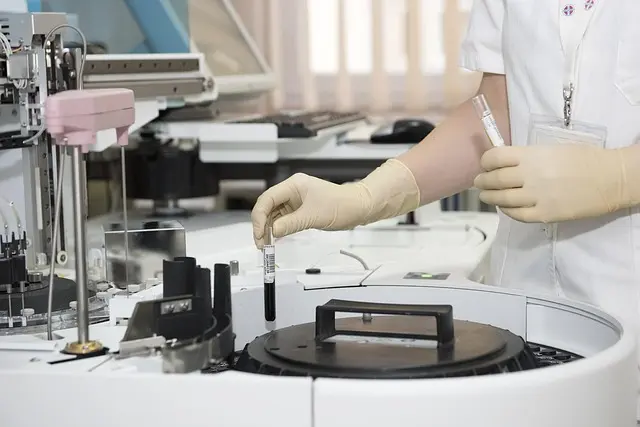
Once you have secured a fundamental understanding of scientific principles through education, the next crucial step is to gain laboratory and research experience. Engage in internships, volunteer positions, or research assistant roles that offer hands-on practice. This type of experience not only reinforces theoretical knowledge but helps in developing key skills in observation, analysis, and data collection.
For instance, participating in a summer research program can provide critical insights into experimental work and research methodologies. Many universities offer opportunities for undergraduate research; take advantage of these to broaden your skill set and your resume.
Statistics show that students with research experience are not only more competitive during the hiring process but also tend to perform better in their future careers.
Step 4: Networking and Professional Development
Establishing a strong professional network is key to your success in the science field. Attend conferences, workshops, and seminars related to your field of interest. Engaging with professionals allows you to gain insights into industry trends, project collaborations, and potential job opportunities.
According to LinkedIn, 80% of job openings are filled through networking. You can also use social media platforms to connect with professionals in your desired field. Join relevant groups or forums to discuss scientific issues, ask questions, and share your experiences. Building these relationships can provide mentorship opportunities, which are invaluable as you navigate your career path.
Step 5: Prepare for the Job Market
When preparing for the job market, it’s important to understand what employers in the scientific field are looking for. Research job descriptions to identify skills and qualifications that are frequently mentioned. Focus on developing these skills, such as analytical skills, project management, and proficiency with technological tools.
Additionally, work on crafting a compelling resume and cover letter that highlights your education, research experience, and personal projects. Employing the STAR method (Situation, Task, Action, Result) can help you articulate your experiences effectively during interviews. Remember, practicing mock interviews can significantly reduce performance anxiety and help you articulate your passion for science.
📺 Resource Video
> 📺 For a deeper understanding: Watch an informative video on how to prepare for a science career, discussing essential skills and actionable tips. Search YouTube using keywords like ‘how to prepare for a science career 2026’.
Comparison of Science Degree Pathways
| Pathway | Degree Level | Duration | Career Opportunities |
|---|---|---|---|
| Biology | Bachelor's | 4 years | Research Scientist, Biotech |
| Chemistry | Master's | 2 years | Chemical Engineer, Analyst |
| Environmental | PhD | 4-6 years | Policy Advisor, Researcher |
| Physics | Bachelor's | 4 years | Physicist, Lab Technician |
FAQs
What skills are essential for a science career?
Essential skills include analytical thinking, problem-solving abilities, and proficiency with technology. Communication skills are also vital for presenting findings and collaborating with other scientists.
How important is research experience?
Research experience is crucial as it not only provides hands-on skills but also enhances employability, making candidates more attractive to employers. Statistics indicate that candidates with research experience receive higher salary offers.
Can I have a science career without a PhD?
Yes, many science careers are accessible with a bachelor's or master's degree. Roles in laboratories, environmental fields, and technical positions often do not require a PhD.
How can I find mentorship in science?
Networking at conferences and joining professional organizations in your field are excellent ways to connect with potential mentors who can provide valuable guidance and support.
Glossary
| Term | Definition |
|---|---|
| STEM | Fields of study in Science, Technology, Engineering, and Mathematics. |
| Research Assistant | A role that involves supporting research projects, often involving data collection and analysis. |
| Internship | A temporary position offered by an organization to provide practical experience and training. |
Checklist before pursuing a career in science
- [ ] Evaluate personal interests and strengths
- [ ] Research educational programs and degrees
- [ ] Gain laboratory and practical experience
- [ ] Build a professional network
- [ ] Prepare relevant application materials
Furthermore, as part of your preparation, we have selected several recommended products that can enhance your educational experience. Discover our recommendations below to equip yourself effectively!
📺 Pour aller plus loin : how to prepare for a science career 2026 sur YouTube
Recommended products
Selected by our experts
Shelter In Place Emergency Preparedness Backpack by First Aid Only
concordhealthsupply.com
This emergency preparedness backpack is essential for students embarking on field research, providing vital supplies in unexpected situations.
Best Choice Products 4-in-1 Science Project Kit, STEM & STEAM DIY Lab Experiments for Kids
bestchoiceproducts.com
The science project kit is a perfect resource for aspiring scientists to engage with hands-on experiments at home or school.
Zoll Cardiac Science Powerheart G5 AED Automatic External Defibrillator
concordhealthsupply.com
This automatic external defibrillator is crucial for labs and research facilities, ensuring safety during scientific investigations.