Table of Contents (11 sections)
Table of Contents
- Understanding the Role of a Scientist
- Educational Pathways
- Gaining Practical Experience
- Networking and Collaboration
- Finding Employment Opportunities
- Continual Learning and Development
- Checklist for Aspiring Scientists
Understanding the Role of a Scientist
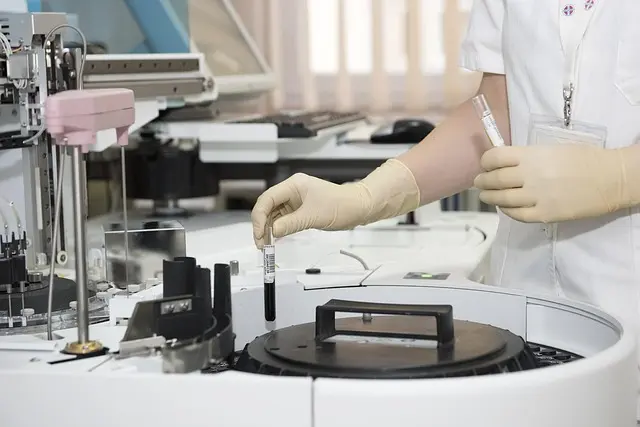
Starting your journey as a scientist begins with understanding what a scientist does. Scientists are professionals who use empirical methods to explore the complexities of the natural world. They conduct experiments, analyze data, and apply scientific reasoning to test hypotheses in various fields like biology, chemistry, physics, and environmental science. The role is not only about conducting research but also involves interpreting results, sharing findings with the scientific community, advocating for evidence-based policies, and educating the public on scientific matters. Understanding the impact and significance of scientific research is fundamental, as scientists make contributions that can influence health, technology, and environmental sustainability.
Educational Pathways
The path to becoming a scientist generally starts with obtaining a relevant degree. Most aspiring scientists first complete a bachelor's degree in a scientific discipline, which often includes courses in mathematics, data analytics, and lab work. For those pursuing research-intensive roles, advanced degrees such as a Master's or a PhD are typically required. According to the National Science Foundation, approximately 60% of jobs in science and engineering require a doctoral degree. Prospective students should consider specialization based on their interests, which can range from advancing technology to improving public health. Additionally, participating in hands-on labs, summer research programs, or internships can significantly enhance an educational background and provide valuable skills.
Gaining Practical Experience
Gaining practical experience is a crucial step in starting your journey as a scientist. Internships, research assistantships, and volunteer positions can provide invaluable insights into the scientific process. These experiences not only bolster your resume but also help you build essential laboratory skills, such as statistical analysis and equipment handling. According to a study by The American Association for the Advancement of Science, students who participate in research projects during their studies tend to be more successful in securing employment in their field. Moreover, attending workshops and conferences can facilitate knowledge sharing while keeping you updated on current scientific trends. Establishing a portfolio of your research findings can showcase your capabilities to future employers.
Networking and Collaboration
As you establish yourself in the scientific community, networking becomes an essential element of your professional development. Engaging with mentors, colleagues, and industry professionals can lead to collaborative projects and job opportunities. Joining relevant professional organizations can provide access to workshops, training programs, and networking events specific to your field. Many successful scientists emphasize the importance of collaboration in their careers, as it allows for the pooling of resources, knowledge sharing, and innovation. Participating in seminars and engaging in community science projects can also enhance your visibility and establish your credibility as an emerging scientist.
Finding Employment Opportunities
Finding a job as a scientist can vary greatly depending on the sector you choose to pursue. Opportunities can be found in academia, government agencies, private industry, and non-profit organizations. Understanding where your interests align within these sectors is critical. According to the Bureau of Labor Statistics, employment for scientists is projected to grow faster than the average for other careers, especially in fields related to health sciences and environmental studies. Crafting a precise and compelling CV that highlights your relevant skills, experience, and impacts made during your education is vital. Be proactive in seeking positions through online job boards, university career services, or industry contacts.
Continual Learning and Development
The journey of a scientist does not end once a job is secured. The scientific field is ever-evolving, and continued learning through courses, workshops, and certifications is essential. Staying updated with advancements in technology, methodologies, and theories will help you remain relevant and knowledgeable in your field. Engaging with academic journals, attending workshops, and participating in continuing education opportunities can contribute significantly to your professional growth. Online platforms such as Coursera and edX offer courses designed for scientists looking to enhance their skillset further.
Checklist for Aspiring Scientists
- [ ] Acquire a relevant bachelor’s degree.
- [ ] Participate in internships or research opportunities.
- [ ] Network with professionals in the field.
- [ ] Attend workshops and seminars.
- [ ] Continuously upgrade your skills through courses.
- [ ] Stay informed about job opportunities in your sector.
Glossary
| Term | Definition |
|---|---|
| Scientist | A professional who conducts experiments and research in various scientific fields. |
| Hypothesis | A proposition made for the purpose of argument, that can be tested. |
| Research Assistant | An individual who assists researchers with their work, often in a laboratory or field setting. |
> 💡 Expert Insight: Commitment to lifelong learning is key. Professionals who adapt and evolve with their field can unlock vast opportunities for innovation and impact.
🧠 Quick Quiz: What is the most important step when starting your journey as a scientist?
- A) Get a PhD
- B) Gain practical experience
- C) Network with professionals
Answer: B) Gain practical experience — It's essential to apply theoretical knowledge in real-world scenarios.
📺 For Further Exploration:
Explore videos about starting your journey as a scientist—and learn key insights from experienced professionals. Search on YouTube for how to start a career in science 2026.
We encourage you to start taking steps towards your scientific career. Discover opportunities, expand your knowledge, and shape the future with your research expertise!
Recommended products
Selected by our experts

Re:ZERO Starting Life in Another World The Prophecy of the Throne Badge Edition PS4
Darty FR
This game encourages strategic thinking and problem-solving, which are critical skills for scientists.
Sponsored by Awin Bruno

Figurine - Re:zero Starting Life In Another World - Ram (fairy Elements)
Darty FR
This collectible figurine represents a well-known character, serving as a unique motivational piece for a scientist.
Sponsored by Awin Bruno

Figurine - Re:zero Starting Life In Another World - Rem (fairy Elements)
Darty FR
This figurine is a great reminder of storytelling in science, inspiring creativity and engagement in research.
Sponsored by Awin Bruno