Table of Contents (11 sections)
Becoming a scientist is a journey filled with discovery, challenges, and the thrill of understanding the world. Whether you're fascinated by physics, biology, chemistry, or any other branch of science, the pathway to becoming a scientist requires education, dedication, and a passion for inquiry. In this guide, we will walk you through essential steps and resources that will aid you in realizing your goal of becoming a scientist.
1. Understand What it Means to be a Scientist
To become a scientist, it’s crucial to first grasp what the role entails. A scientist is someone who engages in systematic studies, using the scientific method to solve problems and expand our understanding of nature. There are various fields within science, including physical sciences, life sciences, and social sciences. Each field has its own focus, methods, and applications.
For instance, physicists might explore the laws of motion and energy, while biologists study organisms and their interactions. Understanding your interests and strengths can help shape your academic and career choices. According to a survey by the American Association for the Advancement of Science (AAAS), about 38% of high school students express interest in pursuing science-related degrees. This interest is a significant first step toward a fulfilling career in science.
2. Educational Pathways to Become a Scientist
The educational pathway to becoming a scientist typically begins with earning a bachelor's degree in a relevant field. Many aspiring scientists major in disciplines such as biology, chemistry, or physics. Attending a reputable university can be beneficial, as schools often provide research opportunities, networking, and access to resources.
Step-by-Step:
- High School Preparation: Focus on math and science courses. Advanced placement (AP) classes can provide an edge.
- Bachelor’s Degree: Choose a major that aligns with your interests. Seek internships and research positions during your studies.
- Graduate Studies: Consider pursuing a master's degree or PhD for specialized knowledge and research experience.
- Postdoctoral Work: Many scientists engage in postdoctoral research to build expertise and enhance their employability.
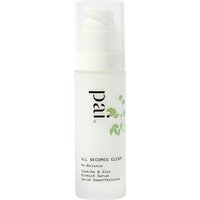
Sérum anti-imperfections All Becomes Clear - PAI
Blissim FR
Sponsored by Awin Bruno

3. Hands-On Experience: Internships and Research
Theory alone isn’t enough; practical experience is crucial. Internships and research projects during your undergraduate years can provide valuable insights and skills.
Examples of Activities:
- Internships: Seek internships with laboratories, research institutions, or industries that align with your field of interest. These experiences are invaluable for understanding real-world applications of scientific principles.
- Research Opportunities: Many universities offer programs allowing undergraduate students to participate in faculty-led research. Getting involved early can significantly strengthen your resume and provide meaningful mentorship.
More than 60% of scientists report that hands-on research experience was pivotal in their career development.
4. Build a Professional Network
Networking is vital in the science community. Attending conferences, joining professional organizations, and connecting with peers can open doors for collaboration and career opportunities.
Effective Networking Strategies:
- Join Professional Associations: Organizations such as the American Chemical Society or the National Science Teachers Association provide networking opportunities and resources to members. This can enhance your knowledge and visibility in your chosen field.
- Utilize Social Media: Platforms like LinkedIn can be useful for connecting with established professionals. Consider joining relevant groups where you can engage in discussions and share your insights.
5. Stay Current and Continue Learning
Science is an ever-evolving field. Continuous learning through workshops, online courses, and certifications can keep you updated on the latest advancements.
Recommendations for Lifelong Learning:
- Online Courses: Websites like Coursera and edX offer courses from leading universities that cover the latest developments in various scientific fields. Staying informed is critical, as many industries rapidly adopt new technologies and methodologies.
- Read Scientific Journals: Subscriptions to journals such as Nature or Science are beneficial for understanding current research trends and breakthroughs. Many institutions provide access to these resources for their students.
Conclusion
Becoming a scientist is a journey that requires passion, education, and continuous effort. By understanding the necessary steps, engaging in hands-on experiences, networking, and committing to lifelong learning, you can pave your way to a fulfilling career in science. We’ve selected several relevant products that can support your journey—check them out below!
✅ Checklist Before You Start Your Journey
- [ ] Identify your area of interest in science.
- [ ] Research suitable universities and programs.
- [ ] Seek internships and research opportunities.
- [ ] Join professional organizations.
- [ ] Commit to continuous learning and staying updated.
Glossary
| Term | Definition |
|---|---|
| Scientific Method | A systematic process for experimentation used to explore observations and answer questions. |
| Bachelor’s Degree | An undergraduate degree typically completed in four years, essential for entry-level science positions. |
| Postdoctoral Research | A period of mentored research often undertaken after completing a PhD to deepen expertise. |
> 💡 Expert Opinion: Getting involved in network events can significantly enhance your career opportunities. Connections made today can lead to collaborations or job offers in the future. Staying proactive is key.
🧠 Quick Quiz: What is the first step to becoming a scientist?
- A) Get a PhD
- B) Choose a field of interest
- C) Complete high school
Answer: B — Choosing a field of interest helps in selecting the right educational pathway.
📺 Resources Video
For further insights into becoming a scientist, explore videos that discuss the journey and experiences of established scientists. Search on YouTube for the keywords: "how to become a scientist 2026".
📺 Pour aller plus loin : how to become a scientist 2026 sur YouTube
Recommended products
Selected by our experts
Sérum anti-imperfections All Becomes Clear - PAI
Blissim FR
This product is ideal for scientists dealing with tough skin issues, ensuring they maintain confidence while navigating the professional world.
Sponsored by Awin Bruno
Pai Skincare All Becomes Clear
thedetoxmarket.com
A great skincare product for scientists who spend long hours in labs and need to take care of their skin.