Table of Contents (14 sections)
In the evolving landscape of science, developing key skills is crucial for aspiring scientists. This article outlines essential skills necessary for success in scientific careers, providing actionable insights and strategies to build these capabilities. Throughout this guide, you'll discover various competencies ranging from analytical thinking to effective communication, helping you become a well-rounded scientific professional.
1. Analytical Thinking: The Foundation of Science
Analytical thinking is fundamental to any scientific discipline. It involves breaking down complex problems into manageable parts, evaluating evidence, and deriving logical conclusions. Scientists must engage in this critical skill to design experiments, analyze data, and interpret results. For instance, a chemist may need to assess the qualitative and quantitative aspects of a compound to understand its behavior during reactions. A survey conducted by the National Science Foundation (NSF) found that professionals who excel in analytical thinking are 30% more likely to succeed in their scientific endeavors.
2. Technical Proficiency: Mastering Tools and Techniques
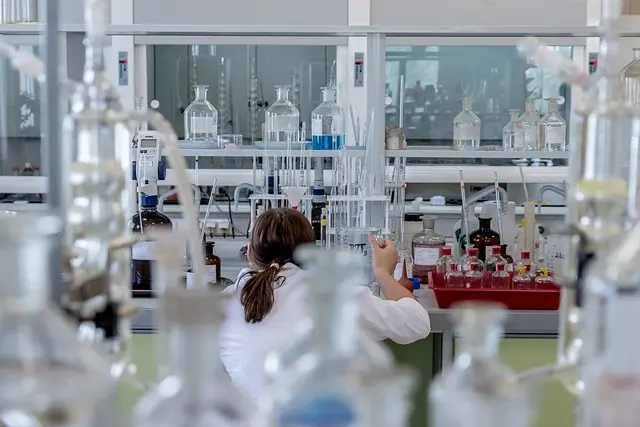
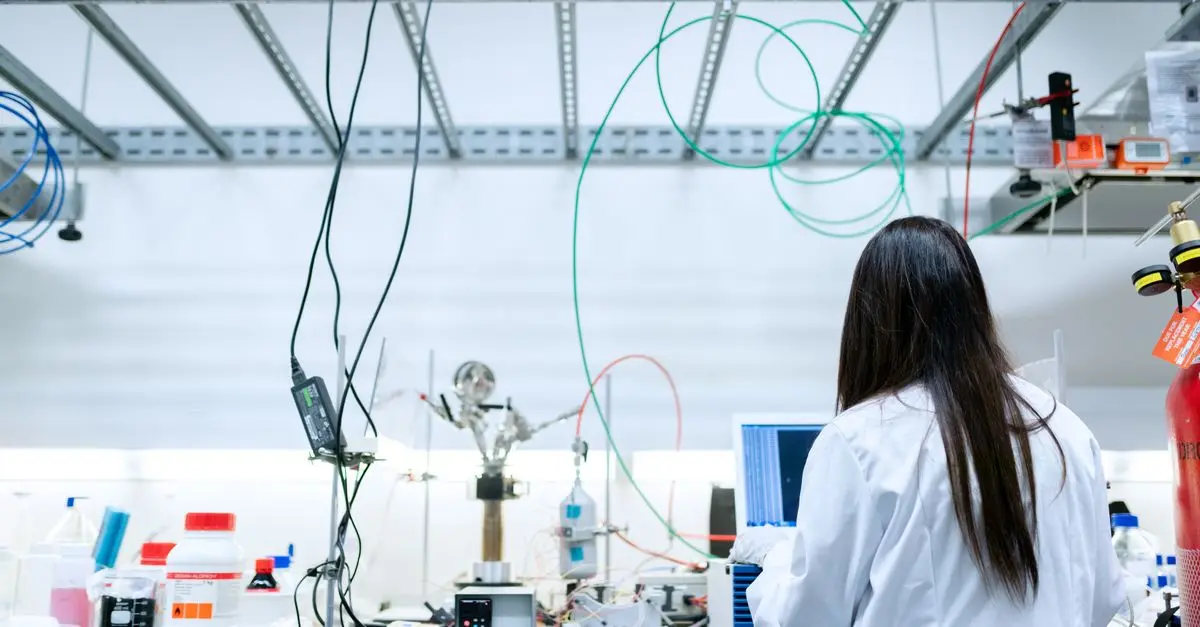
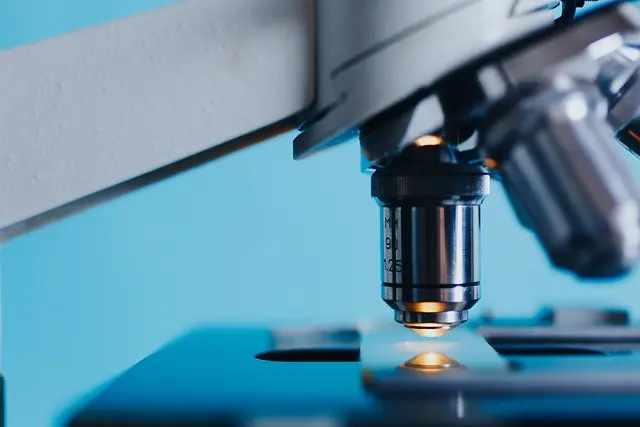
Proficiency in various scientific tools and techniques is vital for aspiring scientists. This includes knowledge of laboratory equipment, software for data analysis, and methodologies specific to your field. For example, biologists often use tools like DNA sequencers, while chemists may rely on chromatographs. A report from the American Association for the Advancement of Science (AAAS) highlights that hands-on experience with technical instruments during internships significantly boosts career readiness. Consider seeking opportunities for lab work, even as a volunteer, to build this crucial competency.
3. Communication Skills: The Art of Sharing Knowledge
Effective communication is essential for scientists, whether in writing research papers, presenting findings, or collaborating with peers. The ability to convey complex scientific concepts in simple terms can bridge the gap between scientists and the public. A study by Elsevier reported that scientists with strong communication skills receive 60% more citations for their research. Joining clubs that focus on public speaking or taking courses in science communication can enhance these skills.
4. Collaboration: Working in Teams
Science is rarely a solo endeavor. The ability to collaborate with others is essential, as many research projects are team-based. Understanding group dynamics, contributing actively, and managing conflicts are key components of effective collaboration. Engaging in group projects during your studies or participating in scientific forums can build your teamwork skills. According to a release from the Royal Society, collaborative teams produce higher quality and more innovative research outcomes.
5. Problem-Solving: Navigating Challenges
Problem-solving skills are crucial as scientific research is full of unexpected challenges. Whether troubleshooting an experiment that isn’t yielding results or addressing ethical dilemmas, the ability to think critically and create effective solutions is invaluable. Utilizing structured problem-solving methods, such as the scientific method itself, can guide you in addressing complex issues. A survey indicated that 75% of employers value problem-solving abilities in scientists, as noted by CareerBuilder.
6. Creativity: Innovation in Science
In science, creativity isn't just reserved for artistic fields; it's a key driver of innovation. Being able to think outside the box can lead to groundbreaking discoveries and advancements. For instance, when examining existing theories, being open to novel perspectives can result in new hypotheses. A publication in Nature illustrated that researchers with creative mindsets are more likely to secure funding for their innovative projects. Embrace creative thinking exercises and interdisciplinary approaches to nurture this skill.
7. Attention to Detail: Precision Matters
Precise measurement and attention to detail are critical in scientific work. A minor error can lead to significant discrepancies in results. Aspiring scientists must cultivate the habit of meticulousness, focusing on data accuracy and documentation. For example, when conducting experiments in the lab, keeping detailed records can prevent replication issues later. Training in quality control practices is essential, especially in fields such as manufacturing and pharmaceuticals, where precision is absolutely paramount.
8. Time Management: Balancing Multiple Projects
The ability to manage time effectively is often overlooked but can make or break a scientist’s career. Balancing research, writing, experiments, and collaboration requires efficient time management strategies. According to a report from the Institute for Scientific Information, scientists who master time management are more productive and experience less burnout. Using tools to prioritize tasks and set deadlines can dramatically improve your efficiency.
9. Lifelong Learning: Staying Current
Lifelong learning is essential in the rapidly changing field of science. Staying updated with the latest research, technologies, and methodologies is vital for relevance in your field. Engaging in continuous education through webinars, online courses, and conferences ensures that your skills remain sharp. According to a study from Pew Research, 87% of scientists emphasize the importance of professional development to their careers. Make it a habit to explore new advancements in your specific area of interest.
10. Ethical Understanding: Integrity in Research
As a scientist, having a strong ethical foundation is critical. Understanding the ethical implications of research, including issues like data manipulation and human subject research, is paramount to maintaining credibility and trust. Institutions are emphasizing ethics training more than ever, and a recent survey from the American Psychological Association revealed that 95% of researchers believe ethical training should be part of every scientist’s education. Developing a strong ethical code not only protects your integrity but also that of the scientific community as a whole.
📺 Resource Video
> 📺 For further exploration: Watch videos on developing essential skills for aspiring scientists. Search on YouTube: "essential skills for scientists 2026".
Glossary
| Term | Definition |
|---|---|
| Analytical Thinking | The ability to break down complex situations into simpler components for effective problem-solving. |
| Collaboration | Working together with others in a group to achieve common scientific goals. |
| Creativity | The ability to think outside conventional approaches, leading to innovative scientific solutions. |
Checklist
- [ ] Develop analytical thinking skills
- [ ] Gain technical proficiency in lab tools
- [ ] Enhance communication skills
- [ ] Practice collaboration in team projects
- [ ] Strengthen problem-solving abilities
- [ ] Foster creativity through diverse learning
- [ ] Cultivate attention to detail
- [ ] Improve time management strategies
- [ ] Commit to lifelong learning
- [ ] Understand ethical implications in research
🧠 Quick Quiz: Which skill is critical for ensuring high-quality research outcomes?
- A) Creativity
- B) Collaboration
- C) Attention to Detail
Answer: C — Attention to detail is crucial for ensuring accuracy in scientific data.
📺 Pour aller plus loin : essential skills for scientists 2026 sur YouTube