Table of Contents (11 sections)
In the ever-evolving landscape of employment, scientific careers trends reflect significant shifts influenced by technological advancement, societal needs, and dynamic research environments. As we move deeper into the 2020s, understanding these trends is crucial for aspiring scientists looking to forge paths in fields ranging from biotechnology to environmental science.
1. The Rise of Interdisciplinary Collaboration
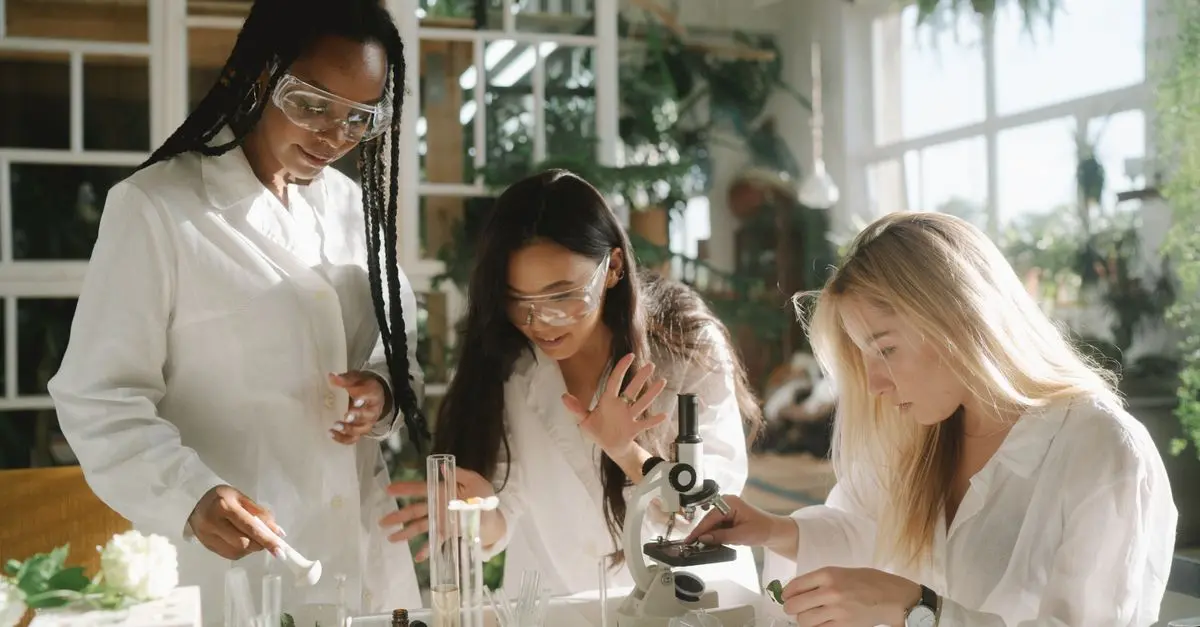
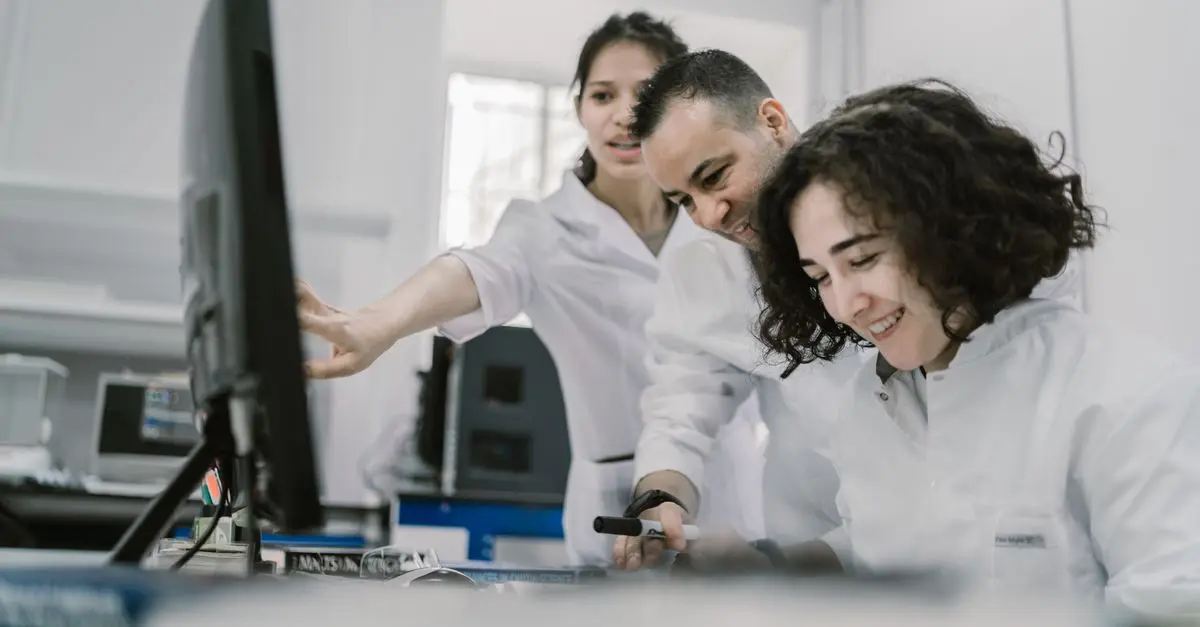
Scientists today increasingly operate at the intersection of multiple disciplines, blending expertise in biology, chemistry, computer science, and engineering. This trend not only enhances innovative solutions but also prepares scientists to tackle complex global challenges, such as climate change and public health crises. According to a survey by the National Science Foundation, 87% of scientists believe that collaboration across disciplines is essential for future innovation. This indicates a strong shift where educational programs now emphasize interdisciplinary training, equipping students with diverse skills necessary for modern scientific inquiry.
The ability to communicate across fields fosters a collaborative environment where ideas can flourish. For example, the development of CRISPR technology has seen contributions from molecular biologists, bioinformaticians, and ethicists, showcasing how interdisciplinary teamwork can lead to groundbreaking advancements.
2. Embracing Artificial Intelligence and Data Science
Artificial Intelligence (AI) is increasingly a part of daily scientific discourse, affecting research methodologies and career paths. According to Statista, the global AI market in healthcare alone is projected to reach $45.2 billion by 2026, demonstrating the robust integration of AI in scientific research and applications. Scientists now must become proficient in data analysis and machine learning techniques, leveraging AI to handle vast datasets, predict outcomes, and streamline research processes.
Moreover, educational programs are adapting by incorporating data science and AI into their curricula, thus preparing emerging scientists to utilize these technologies effectively. As AI continues to evolve, it will inevitably transform job descriptions, making data literacy a crucial component of any scientific career.

Chess Evolution Alexander Beliavsky - Legendary Chess Careers - Part 2
houseofstaunton.com
3. Increased Focus on Sustainability and Environmental Science
The urgency of climate change has led to a growing emphasis on sustainability in scientific research. A report by the IPCC indicates that we have only a few years left to limit global warming to 1.5 degrees Celsius, making the role of scientists more critical than ever. As a result, there has been a notable increase in funding for environmental science and sustainable technologies. Numbers from the U.S. Environmental Protection Agency (EPA) show that federal investment in climate-related research has tripled since 2020.
This urgency has led academic institutions to develop dedicated programs focused on sustainability, equipping students with the skills to innovate in renewable energy, conservation, and environmental policy. Careers in these areas are rapidly expanding, offering opportunities for those passionate about making a difference in the fight against climate change.
4. Remote Work and Global Collaboration
The COVID-19 pandemic catalyzed a shift towards remote work, a trend likely to continue in the scientific community. According to a survey conducted by Nature, 36% of scientists reported they would prefer to work remotely even post-pandemic. This has led to global collaboration, allowing researchers from different regions to work together without the constraints of geographical boundaries.
This shift towards remote and hybrid work environments means that scientists can now access a broader range of job opportunities worldwide. It also encourages companies and institutions to adopt flexible policies, further enabling diverse hiring practices that can enhance creativity and innovation within teams.
5. Emphasis on Soft Skills
As scientific research becomes increasingly collaborative, the demand for soft skills such as communication, teamwork, and adaptability is on the rise. Data from the World Economic Forum suggests that by 2026, soft skills will take precedence over technical skills in many scientific roles. This shift necessitates that aspiring scientists develop their interpersonal skills to thrive in collaborative environments.
To prepare for this new dynamic, many universities are now integrating soft skills training into their scientific programs. This enables students to not only master their technical expertise but also enhance their ability to convey complex ideas, work effectively in teams, and navigate diverse perspectives.
6. Professional Development and Lifelong Learning
The rapid pace of scientific advancement requires continuous learning and professional development. According to LinkedIn’s Workforce Learning Report, 94% of employees would stay at a company longer if it invested in their career development. This highlights the importance of participating in ongoing training, seminars, and conferences to remain relevant in the field.
As scientists engage with new technologies and methodologies, they must also pursue certifications and additional qualifications. Many organizations are creating platforms to facilitate this professional development, offering resources and workshops tailored to the evolving needs of the scientific community.
7. The Importance of Science Communication
With increasing public interest in scientific issues, effective science communication has become critical. Whether addressing misinformation about health or environmental concerns, scientists need to engage with the public effectively. According to the American Association for the Advancement of Science (AAAS), scientists who communicate effectively can shape public understanding and policy.
Aspiring scientists should consider enhancing their communication skills through specialized training in public outreach and media engagement. By becoming advocates for their research, they contribute to informed public discourse and foster trust in science.
Conclusion
The landscape of scientific careers is continuously evolving, influenced by technological advancements, societal needs, and collaborative opportunities. By embracing these trends, aspiring scientists can navigate their careers with greater insight and awareness, positioning themselves as key players in the future of scientific discovery. Ultimately, staying informed about these trends is not just beneficial; it is essential for personal and professional growth in an increasingly complex world.
Checklist before Pursuing a Scientific Career
- [ ] Identify your area of interest within the scientific field.
- [ ] Acquire interdisciplinary knowledge to enhance collaboration.
- [ ] Develop skills in AI and data science.
- [ ] Pursue training in communication and soft skills.
- [ ] Stay current with sustainability efforts and environmental studies.
Glossary
| Term | Definition |
|---|---|
| Interdisciplinary Work | The collaboration between experts from different fields. |
| Artificial Intelligence | Simulation of human intelligence processes by machines. |
| Sustainability | The ability to maintain ecological balance and resource usage. |
> 🧠 Quiz rapide: What is one important trend in scientific careers?
> - A) Decreased funding for research
> - B) Increased focus on remote work
> - C) Reduced emphasis on soft skills
> Réponse : B — Remote work has become a significant trend, allowing global collaboration.
📺 Pour aller plus loin : key trends in scientific careers 2026 sur YouTube
Recommended products
Selected by our experts
Chess Evolution Alexander Beliavsky - Legendary Chess Careers - Part 2
houseofstaunton.com
This book provides insights into the careers of legendary figures, helping scientists to learn from the experiences of successful professionals.