Table of Contents (12 sections)
To thrive in the world of science, one must possess a set of essential skills that allow for effective conducting of research, collaboration, and communication. Students and professionals alike should focus on developing these skills to carve out a successful career in science.
1. Critical Thinking
Critical thinking is arguably the most crucial skill for anyone aspiring to be a scientist. This involves the ability to evaluate data, formulate hypotheses, and analyze results objectively. According to the American Psychological Association, critical thinking enhances problem-solving abilities and encourages innovation in research methodologies. Scientists regularly face complex challenges, and the ability to think critically allows them to approach problems systematically, making informed decisions based on evidence and logical reasoning.
2. Analytical Skills
Having strong analytical skills is essential for interpreting scientific data accurately. This encompasses a range of activities, from designing experiments to assessing study outcomes. For instance, a biochemist might analyze the results of a series of chemical reactions, needing to understand statistically significant differences. Successful scientists utilize software tools and statistical methods to facilitate this analysis, which can be quite complex depending on the nature of the data. Proficiency in data analysis tools is therefore not just an asset; it's often a requirement.
3. Communication Skills
Effective communication is key in the scientific community. Scientists must be able to share their findings clearly with other researchers through publications, presentations, and discussions. The ability to translate complex ideas into accessible language can enhance collaboration across disciplines. A survey by the American Association for the Advancement of Science emphasizes that strong communicators not only convey their ideas better but also promote their work effectively to the public and policymakers, which can influence funding and regulatory support.
4. Technical Skills
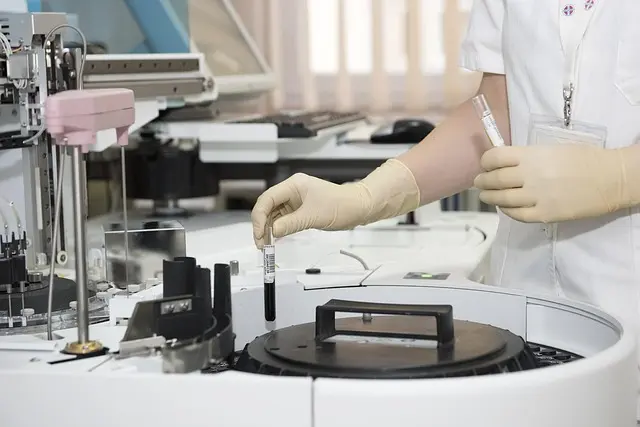
In our technologically advanced world, possessing technical skills related to laboratory tools and software is indispensable. This includes familiarity with laboratory equipment, as well as proficiency in analytical software and programming languages used in research. For instance, using R or Python for data analysis is increasingly common in biological sciences. Continuous education and hands-on experience in using new technologies and methodologies are critical to staying at the forefront of scientific advancements.
5. Teamwork and Collaboration
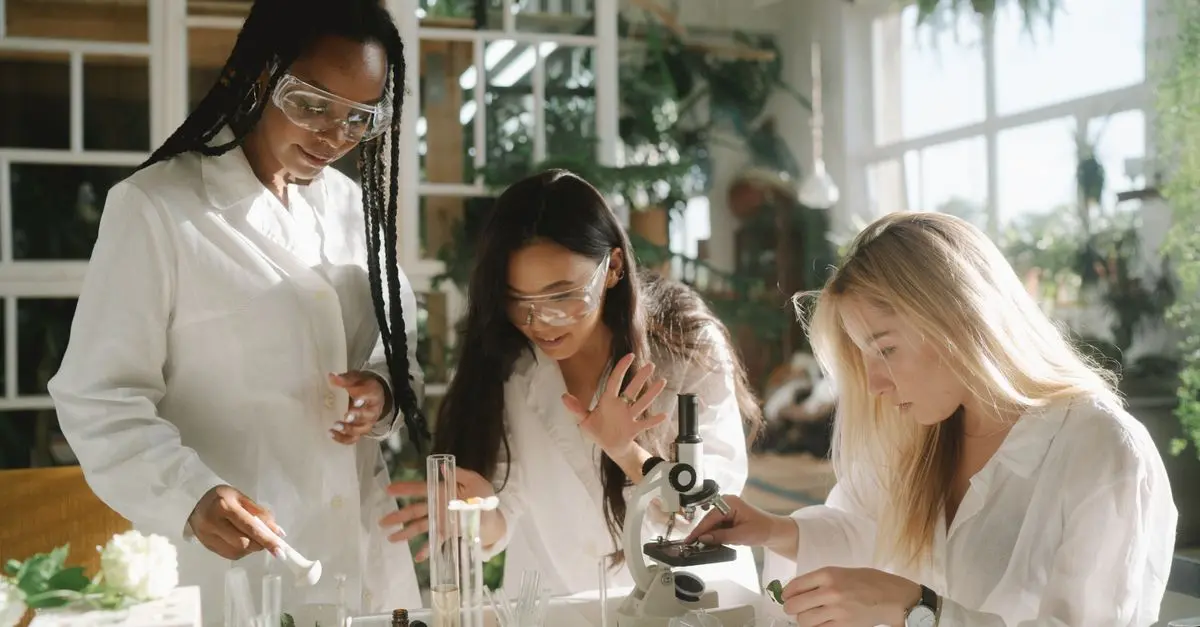
Science is rarely a solo endeavor. Collaborative projects often yield richer results than singular efforts. Developing teamwork skills enhances the ability to work effectively with other scientists, researchers, and even engineers. Collaboration allows for diversity in thought and approaches, which can lead to groundbreaking discoveries. Teams composed of individuals with various expertise can tackle complex problems that would be insurmountable for an individual. Listening, negotiating, and respecting differing viewpoints are essential for harmonious and productive teamwork.
📺 Resource Video
For further insights: Search on YouTube: "skills to excel in scientific research 2026" for various tips and expert opinions on essential skills for scientists today.
Comparison of Essential Skills for Scientists
| Skill | Importance | Learning Methods | Recommended Tools |
|---|---|---|---|
| Critical Thinking | High | Workshops, Courses | Analytical Software |
| Analytical Skills | High | Online Tutorials | Software like R |
| Communication | Medium | Seminars, Webinars | Presentation Software |
| Technical Skills | High | Hands-on Labs | Laboratory Equipment |
Conclusion
Mastering the skills to become a scientist requires dedication and practice. By focusing on critical thinking, analytical skills, communication, technical skills, and teamwork, aspiring scientists can set themselves on a path toward success in their careers. It’s imperative to engage with continuous learning opportunities such as workshops or online courses to refine these skills further.
Checklist Before Pursuing a Science Career
- [ ] Focus on developing critical thinking.
- [ ] Enhance analysis skills through software learning.
- [ ] Join communication workshops for scientists.
- [ ] Gain hands-on experience with technical tools.
- [ ] Engage in team projects to cultivate collaboration.
Glossary
| Term | Definition |
|---|---|
| Critical Thinking | The ability to think clearly and rationally, understanding the logical connection between ideas. |
| Analytical Skills | The capability to analyze information, problem-solve, and make decisions based on data. |
| Technical Skills | Proficiencies in tools and technologies that aid in scientific research and analysis. |

🧠 Quick Quiz: What skill do you think is most critical in science?
- A) Critical Thinking
- B) Technical Skills
- C) Communication
Answer: A — Critical thinking enables effective evaluation and comprehension of complex scientific problems.
📺 Pour aller plus loin : skills to excel in scientific research 2026 sur YouTube
Recommended products
Selected by our experts
Vernis à ongles Essie No. 20 Lovie Skills 13,5ml
DocMorris FR (ex DoctiPharma FR)
This product can enhance creativity through artistic expression, beneficial for scientists looking to communicate their ideas vividly.