Table of Contents (10 sections)
As we delve into 2026, the landscape of scientific innovations is continuously evolving. The fusion of technology and science is leading to breakthroughs that promise to reshape our understanding of the world. This article explores the major trends influencing scientific discovery today, examining their importance and implications for future researchers and society as a whole.
Major Trend 1: Artificial Intelligence in Research
One of the most significant drivers of innovation in the scientific community is the integration of Artificial Intelligence (AI). AI is revolutionizing how researchers analyze data, conduct experiments, and derive conclusions. For instance, AI algorithms can sift through vast datasets to identify patterns that humans may overlook. According to a report by Gartner, 75% of organizations are investing in AI technologies to enhance research capabilities by 2026.
In practical terms, consider the field of genomics. AI-based platforms like DeepMind's AlphaFold have demonstrated remarkable success in predicting protein structures, significantly speeding up drug discovery processes. By using machine learning, these tools lessen the time required for experimental validation, holding promise for faster medical advancements. As we progress, expect AI to take a more central role in various scientific fields, prompting a need for researchers to develop proficiency in AI technologies to remain competitive.
Major Trend 2: Quantum Computing
Quantum computing is poised to revolutionize scientific discoveries across multiple disciplines. Unlike classical computers, which operate on bits, quantum computers utilize qubits, enabling them to perform complex calculations at unprecedented speeds. The implications of this technology for areas such as materials science and drug discovery are profound. Research shows that quantum algorithms can optimize simulations in chemical reactions more efficiently than traditional methods. A study related to quantum computing conducted at IBM found that quantum systems could solve problems previously deemed intractable by classical methods by 2026.
For scientists, familiarity with quantum computing will soon become essential. Institutions are already beginning to incorporate quantum programming into their curricula to train future scientists. The ability to harness the power of quantum systems may unlock new materials or chemical compounds that could lead to enhanced technologies in energy storage, pharmaceuticals, and beyond.
Major Trend 3: Gene Editing Advancements
Gene editing technologies, particularly CRISPR, continue to evolve, promising unprecedented capabilities in genetics. The 2026 landscape sees advancements that enable more precise and efficient alterations of genetic material. According to the National Institutes of Health (NIH), CRISPR-related research funding has seen a significant increase, aiming to explore therapeutic applications for genetic disorders. The potential to cure diseases at the genetic level could redefine treatment methodologies, emphasizing ethics in research.
An example of this technology in action is in the field of agriculture, where gene editing techniques are used to create from scratch crops that are more resilient to climate change. Such innovations can lead to food security in a rapidly changing environment with significant implications for future agricultural practices. Future scientists will need rigorous training not only in the technical aspects of gene editing but also in navigating the ethical considerations surrounding these powerful tools.
Major Trend 4: Interdisciplinary Research Approaches
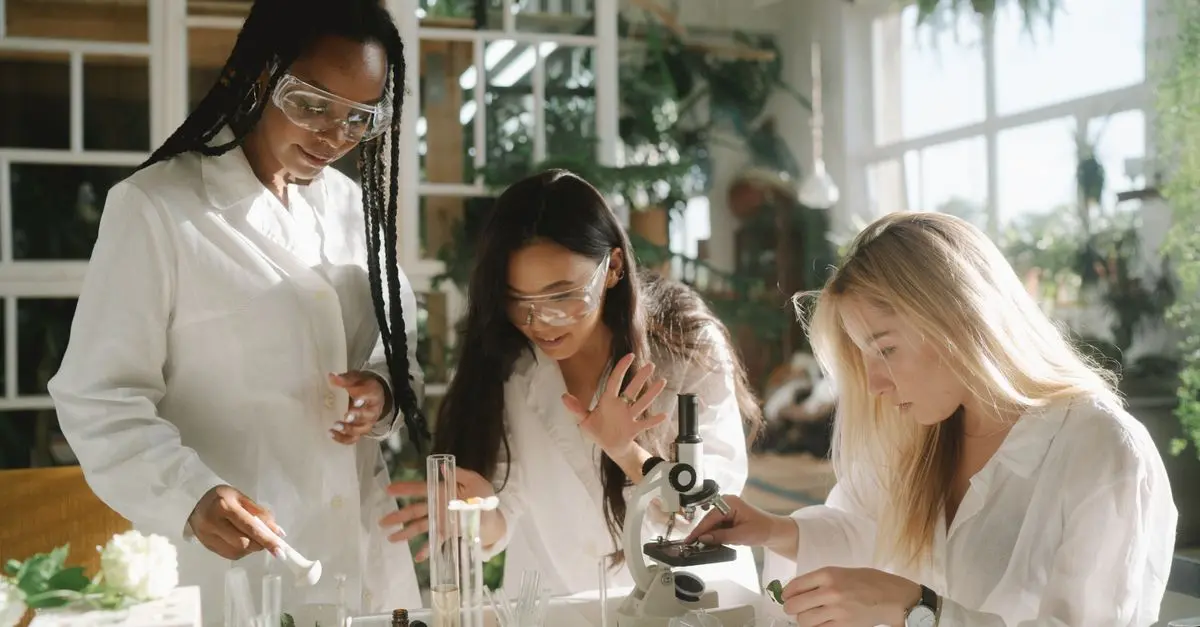
The future of scientific discovery hinges upon interdisciplinary approaches to problem-solving. As complex challenges arise—such as climate change, global health issues, and technological disruptions—integrating knowledge from various fields becomes paramount. Collaborative projects like the Human Cell Atlas, which seeks to map every cell in the human body, exemplify the importance of interdisciplinary work.
The results of these collaborations are yielding significant benefits, as fields such as bioinformatics marry biology with computer science, enhancing research capabilities. In fact, a survey by Nature indicated that interdisciplinary teams are 20% more productive than their single-discipline counterparts. This trend emphasizes the necessity for future scientists to cultivate skills across various domains and engage in teamwork to innovate effectively.
Major Trend 5: Sustainable Scientific Practices
As the climate crisis intensifies, sustainable scientific practices are becoming vital. Research institutions are adopting greener practices to minimize their carbon footprint, with entities like NASA committing to sustainability goals that include reducing emissions from research facilities. Data shows that laboratories that incorporate sustainable practices can cut energy usage by up to 30% without sacrificing operational efficiency.
By 2026, sustainability will be a prerequisite in grant proposals, aligning with funding bodies’ shifting focus towards environmentally responsible research. Scientists must increasingly factor sustainability into their methodologies, which may include opting for renewable resources and developing eco-friendly materials in experiments.
📺 Resource Video
> 📺 To go further: Exploring Quantum Computing in Science, an in-depth analysis of how quantum computing is shaping innovations in scientific research. Search on YouTube: "Quantum Computing in Scientific Research 2026."
Glossary
| Term | Definition |
|---|---|
| Artificial Intelligence (AI) | Simulation of human intelligence processes by machines, particularly computer systems. |
| Quantum Computing | Type of computing that uses quantum bits to perform calculations at massive speeds, solving complex problems. |
| Gene Editing | A method to make changes to specific DNA sequences to alter genetic information. |
Checklist Before Choosing a Research Methodology
- [ ] Analyze the relevance of AI tools suitable for your research.
- [ ] Investigate available resources for quantum computing training.
- [ ] Assess ethical guidelines before employing gene editing technologies.
- [ ] Recognize the importance of collaboration across different scientific domains.
- [ ] Evaluate sustainable practices in your research operations.
🧠 Quick Quiz:
> What is one of the major benefits of artificial intelligence in scientific research?
> - A) It increases reliance on manual data collection.
> - B) It simplifies complex data analysis processes.
> - C) It requires less funding than traditional methods.
> Answer: B — AI simplifies complex data analysis processes, enabling faster insights.
The landscape of scientific innovations is on an exciting trajectory as we look toward the future. These trends underscore the importance of adapting to technological advancements while maintaining ethical integrity and fostering collaboration among disciplines. The future of science belongs to the innovators who will challenge existing paradigms and create sustainable, impactful solutions for generations to come.
📺 Pour aller plus loin : innovations in scientific research 2026 sur YouTube